
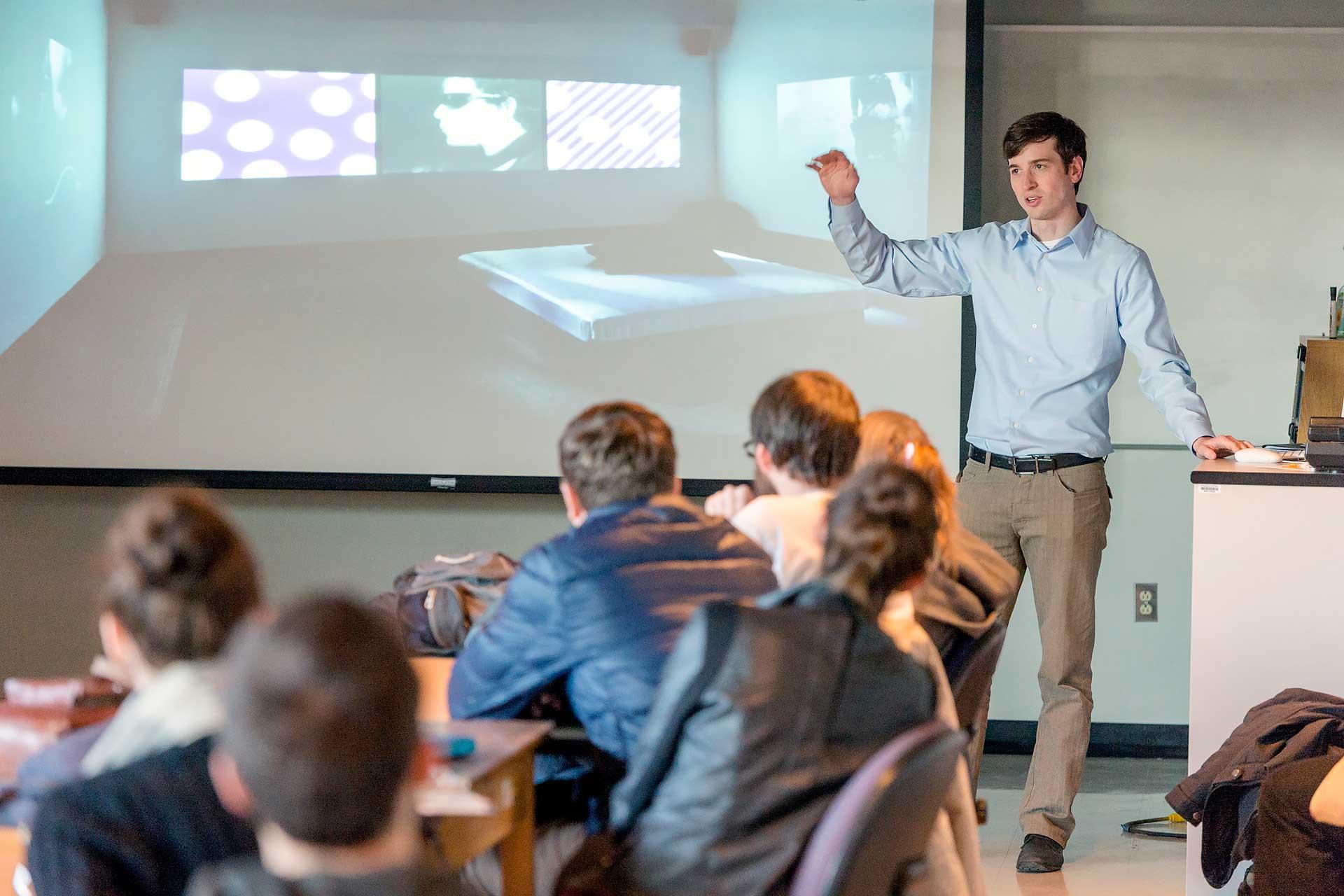
Art
Explore diverse art projects and collaborations, traditional and innovative. Great facilities and work with renowned artists.
Art, Studio Art Concentration, B.F.A.
Art majors are exposed to cross-disciplinary projects and collaborations in both traditional and non-traditional materials with the ability to experiment in today's ever-evolving art fields.
Upgrades to the completely renovated, three-floor Andrew L. Todd Hall features state-of-the-art master classrooms, studios, and equipment. The Art Department regularly invites local and regional artists and nationally and internationally known artists to exhibit in the Todd Art Gallery, conduct workshops, and lecture in numerous classes. MTSU's growing art department offers a wide variety of studio options with an emphasis in ceramics, painting, printmaking, or sculpture.
Frequently Asked Questions
What is studio art?
Studio Art is a comprehensive program which trains and prepares students to conceptualize, research and generate their own creative works in a variety of different visual media of their choosing. Within our department, students can focus in Ceramics, Painting, Print Media, Sculpture or combine these into new, interdisciplinary works. Studio Art is focused on cultivating knowing of Artist’s Materials (what media is chosen), developing Conceptual depth (what ideas are investigated), and Action (professional presentation of personal work).
Do you need a portfolio for the studio art program?
While a portfolio is not required to enter the program, passing a portfolio review is required to maintain status in the B.F.A. Studio Art degree. This review happens at about the midway point of a student’s time in the program. Successful completion of this review includes high quality work, excellent documentation of student’s artworks and projects, some descriptive writing about their work and process, and professional adherence to deadlines.
What skills do you learn in studio arts?
All Studio Art students begin by learning foundational knowledge including 2D, 3D, Digital Art and Drawing. They also begin with an overview of the history of art making across cultures and time. From this common starting point, students can chart a path where they explore various media areas and/or dive deep into one media. Regardless, the goal is to develop technical skills handling materials and simultaneously engage in a personally driven research project leading to a thesis exhibition, written paper and presentation. Taken together, these activities teach young artists how to use materials, explore with curiosity, develop ideas and how to expand thinking through making, and finally how to present their work to the public with confidence.
What can you do with a studio art degree?
Studio Arts majors are valuable across the community because they are trained to find connections, synthesize complex information into clearly communicative forms, and act as translators of concept and form. Studio Artists work with museum and educational settings as registrars, liaisons, docents, artistic directors, and teachers. They also work in non-profits aiding other artists or institutions seeking to develop arts programs. The skills of studio art also translate into industries such as fabrication, product design and even marketing. Many B.F.A. Studio Arts students also go on to pursue Masters of Fine Arts degrees, which is the terminal degree for the field. The successful completion of their portfolio review and thesis work will have prepared them well to attend post-secondary schooling. Overall, studio arts prepares students to be lifelong makers, entrepreneurs and self-sustaining creators.
Is a studio art degree "worth it"?
Yes; Studio Art not only gives a student a technical skillset, but transferable skills which are valuable in any workplace. Studio Art prepares students to work independently in creative ways, seek and find answers to complex questions, and confidently present themselves in multiple formats.





News Briefs
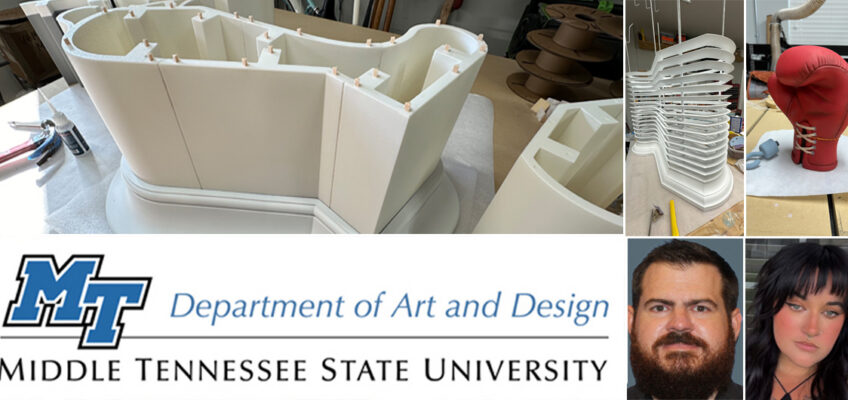
MTSU faculty uses internal grant to showcase sculptures, provide student experience
A Middle Tennessee State University art and design professor landed one of the university’s internal grants to create his upcoming solo exhibition that explores the fickle nature of memory and how it informs the present through sculpture. Associate professor and artist Mark Mcleod’s exhibit “Cairns” will be hosted at Jacksonville University’s Alexandre Brest Gallery in Jacksonville, Florida, kicking off with [ Read More ]
News Briefs
MTSU faculty uses internal grant to showcase sculptures, provide student experience
A Middle Tennessee State University art and design professor landed one of the university’s internal grants to create his upcoming solo exhibition that explores the fickle nature of memory and how it informs the present through sculpture. Associate professor and artist Mark Mcleod’s exhibit “Cairns” will be hosted at Jacksonville University’s Alexandre Brest Gallery in Jacksonville, Florida, kicking off with [ Read More ]
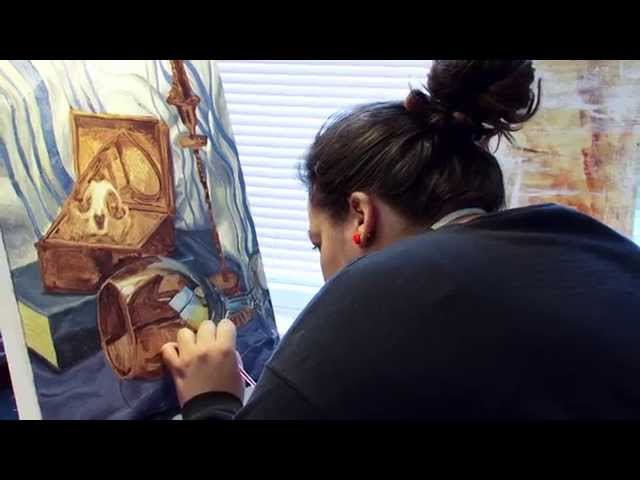




Art, Studio Art Concentration, B.F.A.
The Studio Art program offers preparation for students who want to work professionally in visual arts, art-related careers, and design occupations or to pursue advanced study in graduate school. Art degrees help prepare for a variety of career options such as
- Animator
- Appraiser
- Archivist
- Architecture model builder
- Art director
- Art instructor
- Art therapist
- Artist
- Arts administrator
- Arts critic
- Buyer
- Ceramic artist
- Designer
- Engraver
- Exhibit designer
- Fashion illustrator
- Game designer
- Illustrator
- Museum / gallery curator
- Painter
- Photographer
- Restorer
- Sculptor
- Studio owner
Employers of MTSU alumni include
Art graduates find professional opportunities at a variety of entities; some individuals choose to continue their studies in graduate school. Examples of both are listed below:
- Academy Street Studio
- Aradani Studios
- CapTeeVation
- Contemporary Painters
- Cumberland Gallery
- For Art’s Sake Studios
- Frist Center for the Visual Arts
- Grand Adventure Comics
- Moxie Art Supply
- Rosewalker Design
Graduate Schools
- California College of the Arts
- Memphis College of Art
- Savannah School of Art and Design
- University of Connecticut
- University of Iowa

MTSU’s Career Development Center
MTSU offers a comprehensive Career Development Center that serves students throughout the full student experience and beyond. They collaborate with faculty and staff to equip students with the tools to be marketable to the world of work and continuing education.
Students can schedule an appointment or check online resources and job boards at mtsu.edu/career.
Students can find current internship opportunities by talking to faculty and visiting the University job and internship board called Handshake.
Wondering what you can do with your major? Check out our What Can I Do with A Major In guides.


Public Accountability Notice
MTSU is an accredited institutional member of NASAD, National Association of Schools of Art and Design.
To see data about the program, please visit this webpage: https://planeffectiveness.mtsu.edu/art_bfa/.


CONTACT US