
Biology
Discover unseen worlds through studying Microbiology at MTSU. Launch a career in research, health, or industry.
Biology, Microbiology Concentration, B.S.
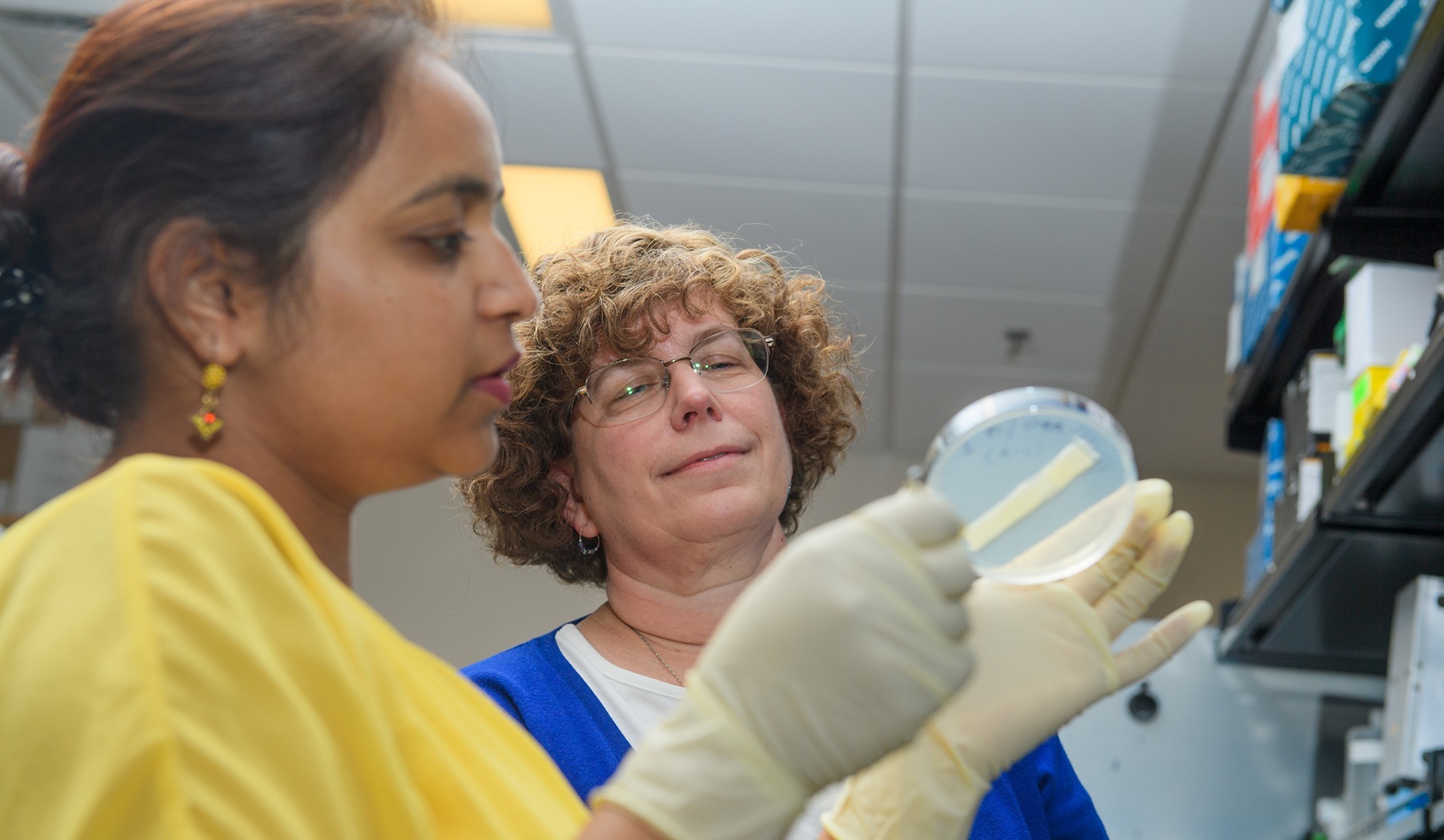
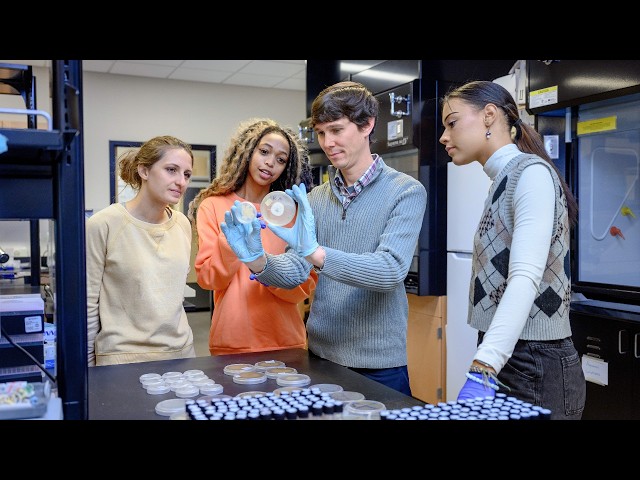
The College of Behavioral and Health Sciences at MTSU offers a Bachelor of Science in Biology, Microbiology Concentration. Students in the biology microbiology concentration learn about microbes (microorganisms), including viruses, bacteria, fungi, algae, and protists. The microbiology study concentration uncovers the unique features of microbes, how to grow and identify microbes, and the impact of microbes on the health of humans and the environment. The tools of a microbiologist include microscopy, cell culture, and molecular biology techniques. A Microbiologist can work in a variety of fields, including basic research, environmental science, food production, and medicine. They work in universities, hospitals, for private companies, and government agencies. Many microbiology degree graduates are employed as research assistants in these fields. The microbiology concentration is an excellent preparatory concentration for students interested in health professional fields and clinical laboratory science.
Biology majors at MTSU need to declare a concentration in one of five areas:
Frequently Asked Questions
What is microbiology?
Microbiology is the study of microbes. Microbes, also called microorganisms, are a group of diverse cellular organisms and noncellular entities that are too small to be seen with the naked eye. Microbes include bacteria, archaea, fungi, protists, viruses, and other subviral particles. Microbiology explores the structures, functions, and genetics of microbes, as well as how microbes interact with their diverse environments and how they impact us, our ecosystems and health. their structures, functions, genetics, and how they interact with the world, impacting everything from human health to global ecosystems.
What can you do with a microbiology degree?
A microbiology degree can prepare you for diverse career paths, including entry into graduate school or professional programs such as in medicine or pharmacy. With a microbiology degree, you can also seek careers in research, healthcare, industry/biotechnology, biosafety, environmental, and government sectors. In research fields, you may be seeking answers for questions such as "Which microbes help keep the human body healthy?" or "Can this microbe be used to clean up pollution?" Healthcare careers may depend upon your level of education, but with a college degree you can seek a career as a clinical laboratory technician or a public health scientist. Industrial microbiologists (or microbial biotechnologists) work on diverse problems. Their careers may involve discovering new drugs produced by microbes or they may use biotechnology to engineer microbes to produce novel molecules that can be used for disease treatment or as new food products. With a degree in Microbiology, you can work as a food safety or food quality microbiologist. A biosafety professional is a microbiologist trained to prevent employees form being injured or infected on the job by ensuring that all laboratory work is performed safely and follows federal, state and local regulations. Biosafety professionals work in many different job sectors including education, government, healthcare, and industry. Environmental microbiologists study the ecology of microbes, or microbes that live in unusual environments, which may lead to new knowledge of organisms with that can degrade pollutants or allow the bioengineering of microbes to solve problems related to pollution. Some environmental microbiologists are involved in processes such as drinking water safety and wastewater treatment. Government agencies hire microbiologists at national, state, and local levels to assist with education, public health, and environmental monitoring.
What jobs can you get with a microbiology degree?
As a graduate with an undergraduate degree in Microbiology, students can obtain jobs in healthcare working in entry level positions as a medical lab scientist or technician in a research lab. Some students obtain jobs in industry, where they test food or cosmetic products for microbial contamination. Students in these entry level positions use culture and molecular techniques to detect microbes. Jobs are also available in public health laboratories where new graduates assist with detection of pathogens in human and animal samples. Graduates can also obtain entry level positions in environmental testing, such as for contamination of soil or water by microbes or ensuring that our drinking water is safe.
What is the difference between microbiology and molecular biology?
The coursework for both concentrations in Biology is similar. Students in microbiology will focus on understanding microbes at the organismal and structural levels, as well as their impacts on health of other organisms and the environment. Molecular biology focuses on life at the biochemical level, primarily studying cellular DNA, RNA, and proteins, including their structure, function and biological interaction within cells.





News Briefs
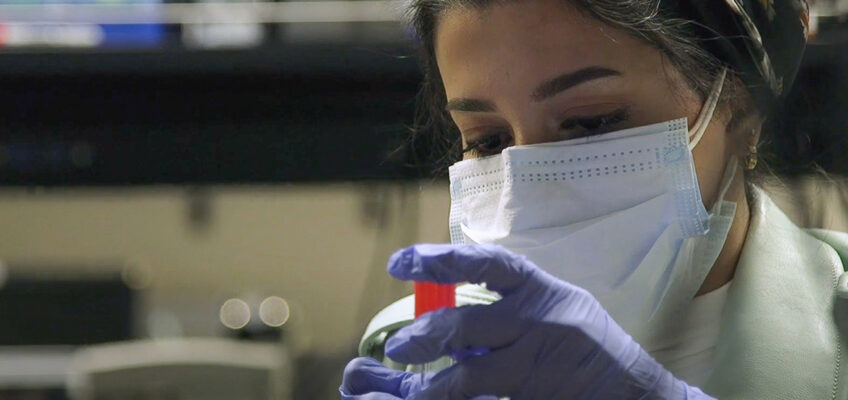
MTSU biology professor guides undergrads’ real-world lab work via URECA [+VIDEO]
MTSU senior biology major Kwinci Britt conducts real-world lab research through the university’s Undergraduate Research Experience and Creative Activity, or URECA, a grant program that can give undergrads an early entry into the research arena and perhaps lay the groundwork for future academic or career endeavors. And working with a mentor like biology professor Mary [ Read More ]
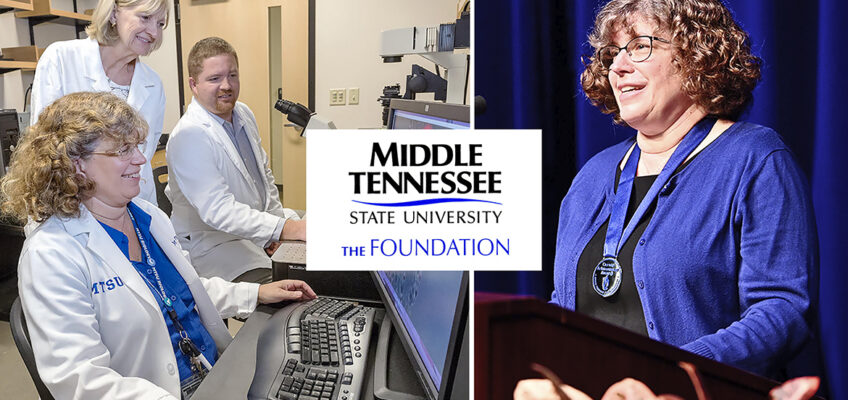
Microbiology researcher Farone earns Career Achievement Award; 11 more professors saluted for teaching, service [+VIDEO]
Joking that even though she’s a “lab rat” who often savors the solitude of her research, MTSU biology professor Mary Farone acknowledged that accepting the university’s highest faculty honor alone, in a pandemic-forced virtual celebration, isn’t how she prefers to work. Farone, a microbiologist who began her MTSU career as an adjunct in 1996, is [ Read More ]
News Briefs
MTSU biology professor guides undergrads’ real-world lab work via URECA [+VIDEO]
MTSU senior biology major Kwinci Britt conducts real-world lab research through the university’s Undergraduate Research Experience and Creative Activity, or URECA, a grant program that can give undergrads an early entry into the research arena and perhaps lay the groundwork for future academic or career endeavors. And working with a mentor like biology professor Mary [ Read More ]
Microbiology researcher Farone earns Career Achievement Award; 11 more professors saluted for teaching, service [+VIDEO]
Joking that even though she’s a “lab rat” who often savors the solitude of her research, MTSU biology professor Mary Farone acknowledged that accepting the university’s highest faculty honor alone, in a pandemic-forced virtual celebration, isn’t how she prefers to work. Farone, a microbiologist who began her MTSU career as an adjunct in 1996, is [ Read More ]









Biology, Microbiology Concentration, B.S.
A degree in biology is a “foundation degree”—a direct door-opener for a large number of careers, as well as a crucial first undergraduate step on the path toward those careers that require additional graduate training.
Examples include
- Agricultural scientist
- Animal behaviorist
- Bio-engineer
- Desert ecologist
- Medical laboratory tech
- Medical librarian
- Microbiologist
- Molecular endocrinologist
- Park ranger
- Safety manager
- Science teacher
- State park resource ecologist
- Toxicologist
- Virologist
- Wildlife biologist
- Zoo biologist
Employers of MTSU microbiology degree alumni include
- Aegis Sciences Corporation
- American Red Cross
- Area High Schools
- Arnold Air Force Base
- Austin Peay State University
- Biomimetic Therapeutics
- Bristol-Myers Squibb Co.
- Center for Disease Control and Prevention
- Covance
- Cytometry Associates
- Environmental Science Corp.
- Erlanger Medical Center
- GenHunter Corporation
- ICON Clinical Research
- Jack Daniels Distillery
- Local Community Colleges
- Merck and Co.
- Monsanto
- Oak Ridge National Laboratory
- Pathgroup Laboratories
- Pfizer Inc.
- Tennessee Bureau of Investigation
- Tennessee Wildlife Resources Agency
- USDA
- Vanderbilt University Medical Center
- Vi-jon
MTSU’s Career Development Center
MTSU offers a comprehensive Career Development Center that serves students throughout the full student experience and beyond. They collaborate with faculty and staff to equip students with the tools to be marketable to the world of work and continuing education.
Students can schedule an appointment or check online resources and job boards at mtsu.edu/career.
Students can find current internship opportunities by talking to faculty and visiting the University job and internship board called Handshake.
Wondering what you can do with your major? Check out our What Can I Do with A Major In guides.



CONTACT US