
Science
Prepare for a career in diagnostic medical sonography, nuclear medicine, or radiation therapy.
Science, Allied Health Technology Concentration, B.S.
The Allied Health Technology concentration is for students who expect to enter a professional school for diagnostic medical sonography, nuclear medicine technology, or radiation therapy technology after completing an appropriate pre-professional curriculum.
The Allied Health degree leads to an MTSU degree through completion of 120 credit hours at MTSU, or completion of at least 90-course hours, acceptance into a professional school, and successful completion of the professional program (3+1).
Students considering high-level health professions such as medicine should pursue a four-year major such as chemistry or biochemistry.
Admission to the MTSU pre-professional program does not assure admission to a professional program. The admissions committees of the respective programs select students according to their selection standards, but selection is competitive.
Frequently Asked Questions
I’m interested in Sonography. Is that something I can do at MTSU?
We do not have a Sonography program at MTSU. However, our Pre Diagnostic Medical Sonography program can provide the prerequisites you will need to apply to a professional program for sonography at another school. It can be completed as either a 3+1 program or via any degree at MTSU. Students in 3+1 programs pursue the Allied Health Technology degree and stay at MTSU for the equivalent of about 90 semester hours (three years). When they complete that coursework, they apply to a sonography program at another school for the 4th year. Upon successful completion of that program we award a bachelor’s degree in Allied Health Technology and the sonography school awards a Professional Certificate. We encourage you to visit ardms.org to learn more about sonography in general.
How long is ultrasound tech school?
It varies, but generally 16-18 months.
What is an expected ultrasound tech salary?
The typical salary range for a Diagnostic Medical Sonographer is $28,000-$87,000. Source: explorehealthcareers.org
What can I do to make myself more competitive for a Radiation Therapy Program?
One of the best things a future health care professional can do to prepare for their career is spend time learning about it as much as possible. Whether that’s reviewing program websites or shadowing a professional in the field, having this information and these experiences are hugely beneficial in applications and interviews.
What is nuclear medicine technology?
"The nuclear medicine technologist is a highly specialized health care professional who looks at how the body functions in order to help in diagnosis and treatment of a range of conditions and diseases. Nuclear medicine combines imaging, patient care, chemistry, physics, mathematics, computer technology, and medicine. Nuclear medicine technologists prepare and administer small amounts of radioactive substances called radiopharmaceuticals, as well as other medications, to patients for diagnosis and treatments. Nuclear medicine technologists use specialized camera systems to detect the radiopharmaceuticals, which then creates a precise picture of the part of the body being imaged. The nuclear medicine technologist monitors the characteristics and functions of tissues or organs in which the radiopharmaceuticals localize.” Source: explorehealthcareers.org





News Briefs
Eyes on professional school? How to get there from here
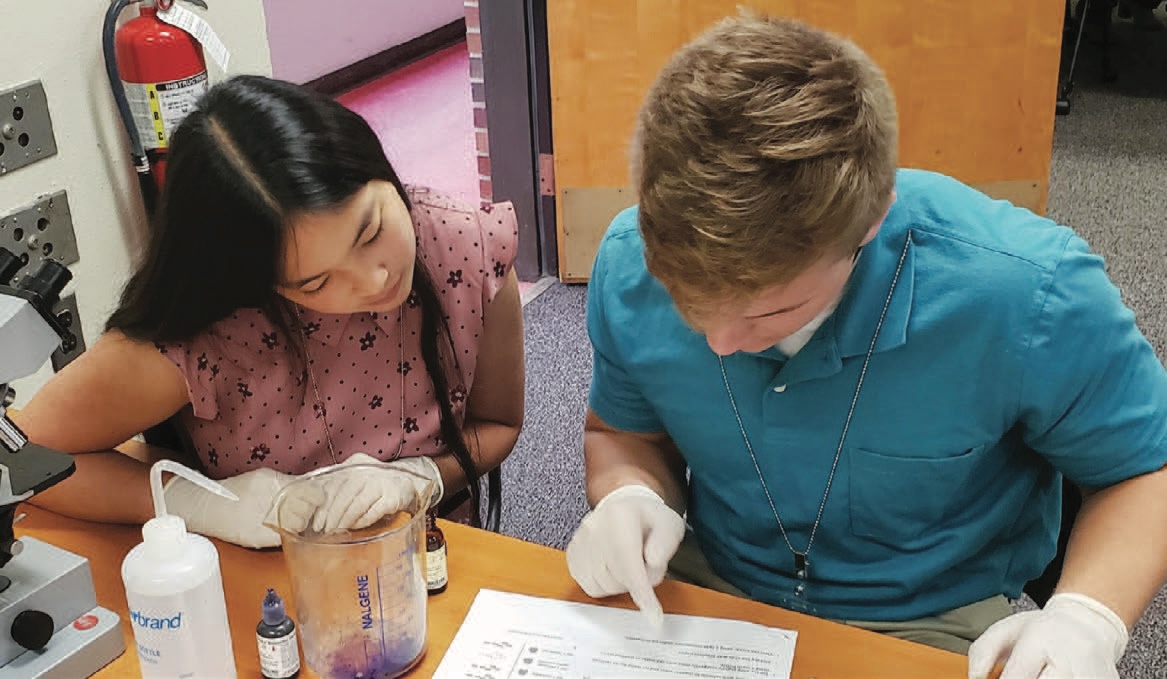
Aspiring doctors don’t have to major in pre-med. In fact, med schools might prefer that they don’t, said Eric Miller, advisor for MTSU’s Allied Health pre-professional programs. “They all have the equalizer, certain benchmarks that [applicants] have to meet,” he said. “But they can create an incoming class with students from all walks of life, studying [ Read More ]
News Briefs
Eyes on professional school? How to get there from here
Aspiring doctors don’t have to major in pre-med. In fact, med schools might prefer that they don’t, said Eric Miller, advisor for MTSU’s Allied Health pre-professional programs. “They all have the equalizer, certain benchmarks that [applicants] have to meet,” he said. “But they can create an incoming class with students from all walks of life, studying [ Read More ]





Science, Allied Health Technology Concentration, B.S.
In the medical field especially, it seems that every day brings with it a new breakthrough. Choosing a career as a medical technologist means choosing a career where there is always something new to learn—and someone whose health will benefit as a result. Career options include
- Analytical chemist
- Bacteriologist
- Biochemist hemotherapist
- Blood bank technologist
- Chemist
- Clinical chemistry technologist
- Clinical pathologist
- Crime lab analyst
- Cytotechnologist
- Food and drug inspector
- Histologist
- Medical equipment sales representative
- Medical laboratory manager
- Medical librarian
- Medical technologist
- Microbiologist
- Quality control specialist
- Parasitologist
- Pharmaceutical sales representative
- Public health specialist
- Research assistant
- Toxicologist
Pre-Professional students have gone on to programs at
- Auburn University
- Austin Peay State University
- Belmont
- Creighton University
- DeBusk College of Osteopathic Medicine
- East Tennessee State University
- Logan University
- Medical College of Georgia
- St. Louis University
- Samford University
- Southern College of Optometry
- South University
- University of Alabama at Birmingham
- University of Health Sciences Antigua
- University of Louisville
- University of Tennessee
- Vanderbilt University Medical Center
- Western Kentucky University
MTSU’s Career Development Center
MTSU offers a comprehensive Career Development Center that serves students throughout the full student experience and beyond. They collaborate with faculty and staff to equip students with the tools to be marketable to the world of work and continuing education.
Students can schedule an appointment or check online resources and job boards at mtsu.edu/career.
Students can find current internship opportunities by talking to faculty and visiting the University job and internship board called Handshake.
Wondering what you can do with your major? Check out our What Can I Do with A Major In guides.


Degrees
Students in the Pre-Medical Technology program can pursue a Bachelor of Science (B.S.) degree in medical technology by either of two paths: 1) two years of study at MTSU, followed by two years at the University of Tennessee, Health Science Center School of Medical Technology, or 2) three years of study at MTSU followed by one year at a nationally approved school of medical technology.
For complete curriculum details, click on REQUIREMENTS.
Related Links


CONTACT US